logo
About Us

Wuxi East Group Trading Co.,Ltd

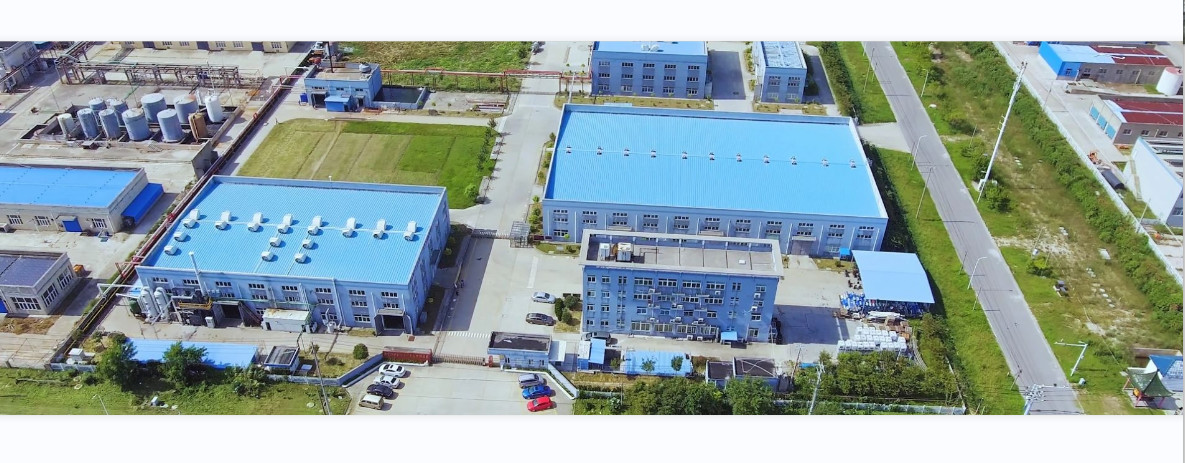
East Group has a high-tech laboratory with professional chemical technician, modernizing workshop, and equipped with advanced production management.
view more
request a quote
company.img.alt
company.img.alt
Why
Choose Us
picurl
High quality
Trust Seal, Credit Check, RoSH and Supplier Capability Assessment. company has strictly quality control system and professional test lab.
picurl
DEVELOPMENT
Internal professional design team and advanced machinery workshop. We can cooperate to develop the products you need.
picurl
MANUFACTURING
Advanced automatic machines, strictly process control system. We can manufacture all the Electrical terminals beyond your demand.
picurl
100% SERVICE
Bulk and customized small packaging, FOB, CIF, DDU and DDP. Let us help you find the best solution for all your concerns.
SOLUTION
SOLUTION
  • Moisture-Curing PUR Adhesives Draw Attention for Electronic Component Assembly Under Challenging Conditions
    06-18 2026
    Changing Requirements for Structural Bonding in Electronics Manufacturing Electronics manufacturers across North America continue to adopt lightweight designs and multi-material assemblies. Consumer electronics, industrial control equipment, communication devices, and smart products increasingly combine engineering plastics with metal components to achieve improved functionality and design flexibility. At the same time, operating environments are becoming more demanding. Many electronic products are exposed to humidity fluctuations, transportation vibration, temperature cycling, and occasional contact with cleaning chemicals throughout their service life. As a result, manufacturers are placing greater emphasis on adhesive systems that can support both production efficiency and long-term structural performance. Common Challenges in Electronic Assembly Applications Multi-Material Bonding Requirements Typical assembly applications include: PC housings bonded to aluminum frames ABS components attached to stainless-steel brackets PVC parts integrated into metal structures Plastic enclosures assembled with internal supports Differences in surface properties and thermal expansion characteristics often make these assemblies more challenging to bond reliably. Environmental Exposure Electronic products may encounter: High humidity conditions Repeated temperature changes Chemical cleaning agents Continuous thermal loads during operation These factors have increased interest in adhesives designed for demanding assembly environments. Why Moisture-Curing PUR Hot Melt Adhesives Are Gaining Interest PUR hot melt adhesives utilize a two-stage bonding mechanism. After application, the adhesive develops initial handling strength through cooling. It then reacts with ambient moisture to form a crosslinked network, contributing to final bond performance. EG-8601 is a: 100% solid-content adhesive One-component PUR hot melt adhesive Moisture-curing reactive bonding solution The product is designed for bonding PC, ABS, PVC, aluminum, and stainless-steel substrates. This material compatibility makes it suitable for a wide range of electronic assembly applications. Key Parameters to Evaluate During Adhesive Selection Melt Viscosity EG-8601 provides a melt viscosity of: 5500–9000 cps at 110°C This parameter helps assess flow behavior and process stability in dispensing operations. Application Temperature The recommended application temperature is: 110–130°C A controlled temperature window can support compatibility with common dispensing equipment. Bonding Performance Technical data indicates: 9 MPa tensile strength for PC-to-PC bonding 9 MPa tensile strength for ABS-to-ABS bonding These values provide useful reference points for engineering plastic assemblies. Recommended Curing Conditions For complete curing, the product recommends: Temperature: 23–25°C Relative Humidity: approximately 65%   Industry Outlook As electronic products continue to evolve toward more complex and integrated structures, adhesive selection is becoming increasingly important in product design and manufacturing. For projects that require compatibility with multiple substrates, stable processing characteristics, and performance under challenging environmental conditions, moisture-curing PUR hot melt adhesives are attracting growing attention within the electronics manufacturing industry.
  • Growing Attention to Plastic-to-Metal Bonding Failures Drives Adoption of PUR Hot Melt Adhesives in Electronic Enclosures
    06-18 2026
    Why Structural Bonding Is Gaining Attention in Electronics Manufacturing As consumer electronics, industrial control systems, communication devices, and smart equipment continue to evolve, electronic products are increasingly designed with lightweight and multi-material structures. Engineering plastics such as PC, ABS, and PVC are frequently combined with aluminum and stainless steel components. However, bonding plastics to metals remains a common challenge in electronic enclosure assembly. Due to differences in surface properties, bonded joints may be exposed to temperature fluctuations, humidity, and chemical substances during service life, potentially leading to peeling, bond degradation, or structural failure. As a result, manufacturers across North America are paying closer attention to structural bonding technologies that can support both automated production and long-term reliability. Common Bonding Challenges Typical assembly scenarios include: PC housings bonded to aluminum frames ABS components attached to metal brackets Multi-material electronic assemblies Structural joints exposed to humid environments Consistent adhesive application in automated dispensing lines These applications require adhesives that provide both immediate handling strength and long-term bonding performance. Why PUR Hot Melt Adhesives Are Receiving More Attention PUR hot melt adhesives have become increasingly relevant in electronic assembly applications. Unlike conventional hot melt adhesives, PUR systems not only create an initial bond through cooling but also react with ambient moisture to form a crosslinked structure. This curing mechanism contributes to improved final bond strength and environmental resistance. For electronic enclosure manufacturing, PUR hot melt adhesives can support: Plastic-to-metal bonding Engineering plastic assembly Humidity-resistant applications Heat and chemical resistance requirements Automated dispensing operations As a result, search terms such as electronic assembly adhesive, plastic-to-metal bonding adhesive, and PUR hot melt adhesive continue to attract attention in the North American market. Key Selection Factors for Electronic Enclosure Adhesives When selecting adhesives for electronics manufacturing, performance data should be evaluated alongside application requirements. Melt Viscosity EG-8601 offers a melt viscosity of 5500–9000 cps at 110°C, providing a workable processing window for dispensing and automated application systems. Bond Strength For common engineering plastics, the adhesive achieves: 9 MPa tensile strength for PC-to-PC bonding 9 MPa tensile strength for ABS-to-ABS bonding These values provide useful reference points for structural assembly applications. Application Temperature A recommended application temperature of 110–130°C helps maintain process stability across various dispensing systems. Market Outlook As electronic products continue to adopt multi-material designs, manufacturers are increasingly seeking bonding solutions that balance process efficiency, material compatibility, and long-term durability. For electronic enclosure assembly and structural bonding applications, PUR hot melt adhesives are becoming an important option for companies evaluating reliable bonding technologies in modern electronics manufacturing.
  • PSA Permanent Hot Melt Adhesive for Express Bags: High-Strength Anti-Tamper Packaging Solution for the South American Market
    06-18 2026
    H1: PSA Permanent Pressure Sensitive Hot Melt Adhesive for Express Bags | High-Security Sealing Solution H2 Product Overview PSA (Pressure Sensitive Adhesive) permanent hot melt adhesive is a high-performance sealing material specially designed for express bag packaging systems. It features instant tack, permanent bonding, and high peel strength, making it ideal for secure logistics packaging. This adhesive is widely used in: Express bag sealing Courier packaging systems Tamper-evident packaging E-commerce logistics envelopes Its core value lies in enabling fast, reliable, and irreversible sealing without additional solvents or secondary processing. Conclusion: PSA permanent hot melt adhesive is a key material for achieving high-efficiency and tamper-proof express packaging in modern logistics systems. H2 Market Problems in South America (Problem) With the rapid growth of e-commerce and logistics in South America (Brazil, Chile, Peru, Colombia, Argentina), packaging manufacturers face several critical challenges: 1. Weak Sealing Performance During Transport Packages are often exposed to: High temperatures Rough handling Long-distance transportation This leads to seal failure and product loss. 2. Insufficient Tamper Resistance Traditional adhesives can be reopened or peeled without obvious damage, resulting in: Package tampering Theft risks Customer disputes 3. High Humidity and Temperature Instability In tropical and coastal regions: Adhesive strength decreases Seal edges loosen Cold–hot cycles affect performance 4. Low Production Efficiency Conventional adhesives often require: Longer curing time Additional processing steps Slower automated bag production H2 Root Cause Analysis (Cause) These issues are mainly caused by: Use of non-permanent adhesive systems Low peel strength formulations Poor low-temperature bonding stability Inconsistent viscoelastic performance Incompatibility with high-speed bag-making machines H2 Solution: Why PSA Permanent Hot Melt Adhesive Works Better A high-performance PSA system solves these problems through advanced polymer engineering. ✔ Strong Instant Tack Ensures immediate bonding during high-speed sealing operations. ✔ High Peel Strength (Tamper-Evident Effect) Creates a destructive bonding system, meaning the packaging is damaged when opened, ensuring security. ✔ Excellent Low-Temperature Stability Maintains adhesion performance even in cold storage and temperature fluctuations. ✔ Fast Curing (3–5 Seconds) Supports high-speed automated production lines. ✔ SEBS-Based Elastomer System Provides: Better flexibility Strong weather resistance Improved durability in humid climates Conclusion: PSA permanent adhesive significantly improves packaging security, production efficiency, and climate resistance in South American logistics environments. H2 Recommended Product For express bag sealing applications, the recommended solution is: EG-510 PSA Hot Melt Pressure Sensitive Adhesive This product is specifically engineered for express packaging systems requiring permanent sealing performance. Key Advantages: High initial tack and strong peel strength Permanent bonding with tamper-evident performance Stable operation in high-speed production lines Excellent performance in hot and humid climates Conclusion: EG-510 is a reliable industrial-grade PSA solution for secure express bag sealing in the South American logistics market. H2 Technical Specifications Parameter Specification Appearance Yellow solid block Base Material SEBS (Synthetic Rubber) Composition TPR system Softening Point 90 ± 5°C Viscosity (180°C) 1700 ± 300 mPa·s Curing Time 3–5 seconds Recommended Operating Temperature 160–180°C Packaging 20 kg/box, 500 kg/pallet Shelf Life 1 year H2 Application Scenarios EG-510 is widely used in: E-commerce express bags Courier shipping envelopes Tamper-proof mailing bags Document security bags Disposable logistics packaging systems It is especially suitable for: Amazon / Mercado Libre / Shopee logistics networks South American courier companies Cross-border e-commerce fulfillment centers H2 How It Works PSA permanent hot melt adhesive forms a viscoelastic bonding layer after cooling: Applied to the sealing area of the express bag Cooled to form a pressure-sensitive adhesive layer Bonding activated by pressure application Opening causes adhesive layer failure (tamper evidence) Result: Permanent one-time sealing Clear tamper-evident function Enhanced logistics security H2 How To Choose the Right PSA Adhesive 1. Security Requirement If tamper resistance is required → choose permanent PSA systems like EG-510 2. Climate Conditions For South America’s hot and humid environment → SEBS-based adhesives are recommended 3. Production Speed High-speed bag production → requires fast curing (3–5 seconds) 4. Substrate Type Suitable for PE/PP express bag materials with strong peel requirements H2 FAQ 1. What is the difference between PSA adhesive and normal hot melt adhesive? PSA adhesives maintain pressure-sensitive bonding after cooling and provide much higher peel strength for permanent sealing. 2. Is EG-510 suitable for high-speed production lines? Yes. It has a fast curing time of 3–5 seconds, ideal for automated machines. 3. Does it perform well in hot climates? Yes. The SEBS system provides excellent thermal stability for tropical environments. 4. Does it provide tamper-evident performance? Yes. It is a permanent adhesive system that causes substrate damage upon opening. 5. What materials can it bond? It is suitable for PE, PP, and common express packaging films. Final Conclusion As e-commerce and logistics continue to grow in South America, packaging is evolving from simple sealing to secure logistics protection systems. PSA permanent hot melt adhesive delivers: Strong tamper-evident security High production efficiency Reliable bonding in humid climates Stable performance in automated systems EG-510 is a high-performance industrial solution for modern express packaging and a strong choice for the South American logistics market.
LATEST BLOGS
Discover The Latest Blogs
Contact Us
Inquiry
If you have any questions, please contact us immediately and we will respond as soon as possible
You can also follow us on social media
karenyang26